Complete History of Notre‑Dame
Explore the cathedral’s story — from its Gothic birth to its resilient rebirth today.
Table of Contents
Medieval Foundations & Patronage
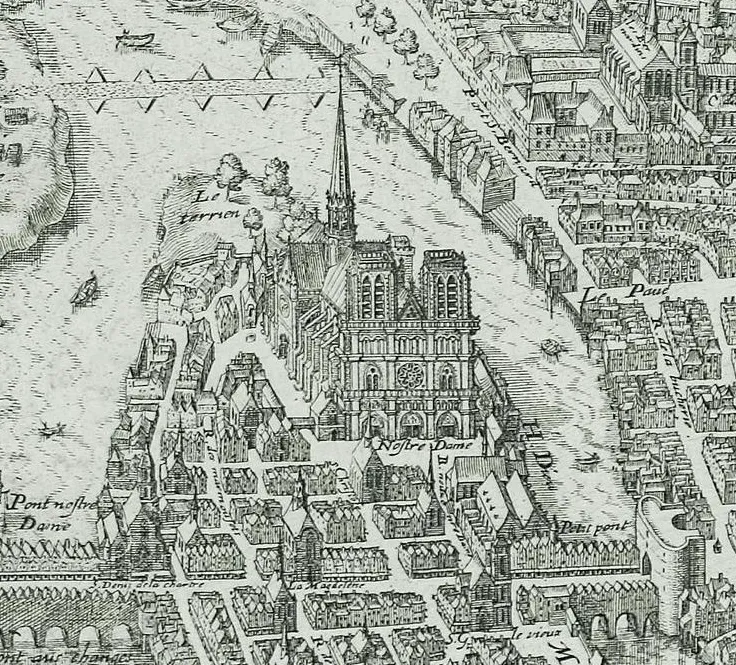
Notre‑Dame’s foundations were laid in the 12th century by communities who understood that beauty and strength could serve both the city and the spirit. Patronage came from bishops, monarchs, guilds, and citizens; each generation added skill, resource, and devotion. The site — a sacred island in the Seine — turned building into pilgrimage and city‑making.
As the cathedral rose, its purpose widened. It became a place of ritual and rally, of coronations and laments, of quiet prayer and public voice. The work never truly ceased; even in calm decades, the stones demanded care, and the community obliged.
Gothic Innovation & Engineering
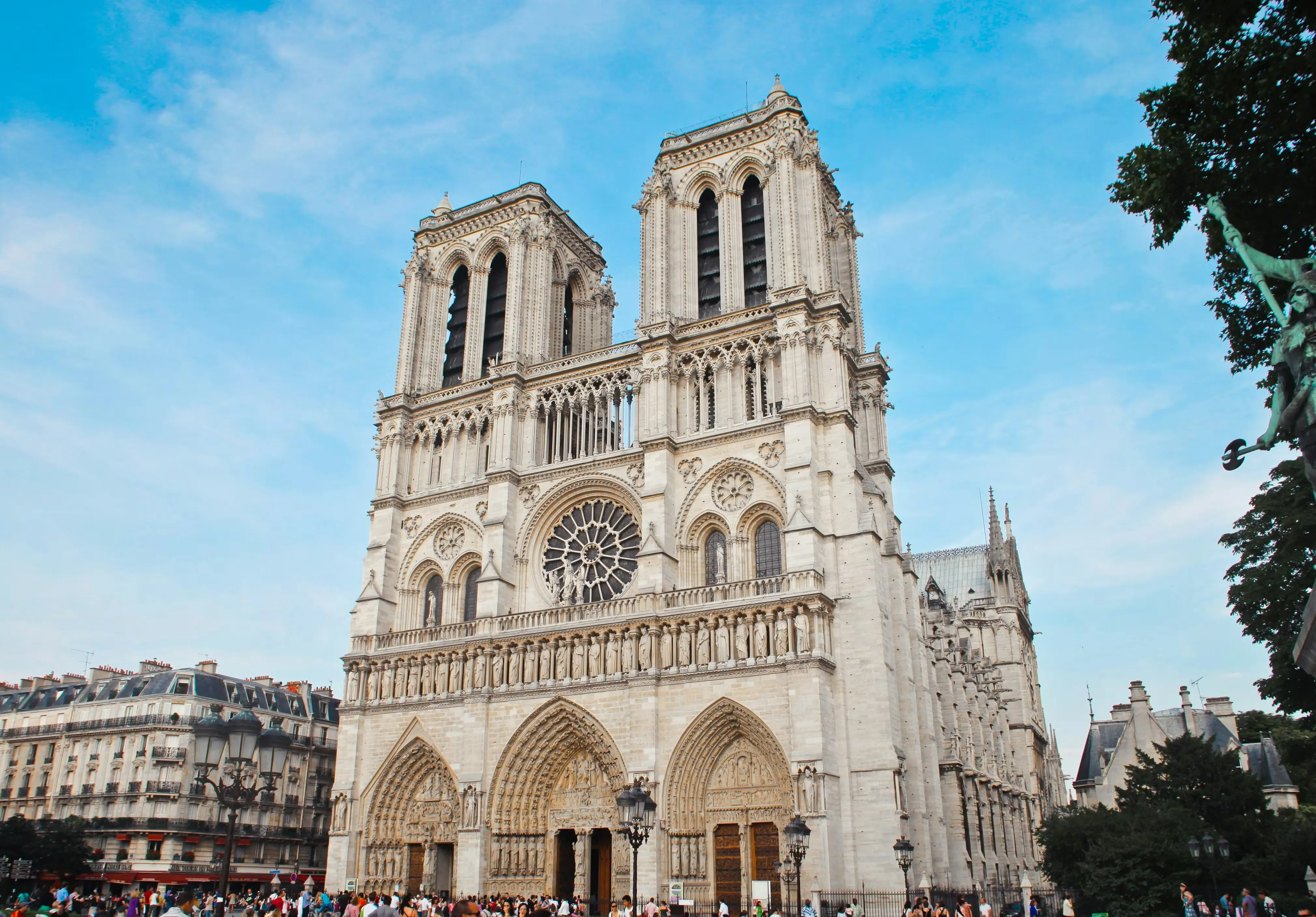
Gothic builders engineered space with elegance: ribbed vaults distributing loads, flying buttresses catching weight and turning gravity into grace, timber frames cradling roofs like ships turned skyward. Glass expanded; walls thinned; light became structure as much as ornament.
The cathedral was a laboratory and a school. Masons learned from failures; carpenters adapted joints; glaziers tuned color to daylight. Paris watched and absorbed the lessons, and other cities did too — Notre‑Dame’s design traveled as drawings, memories, and stories.
Design, Light & Symbolism
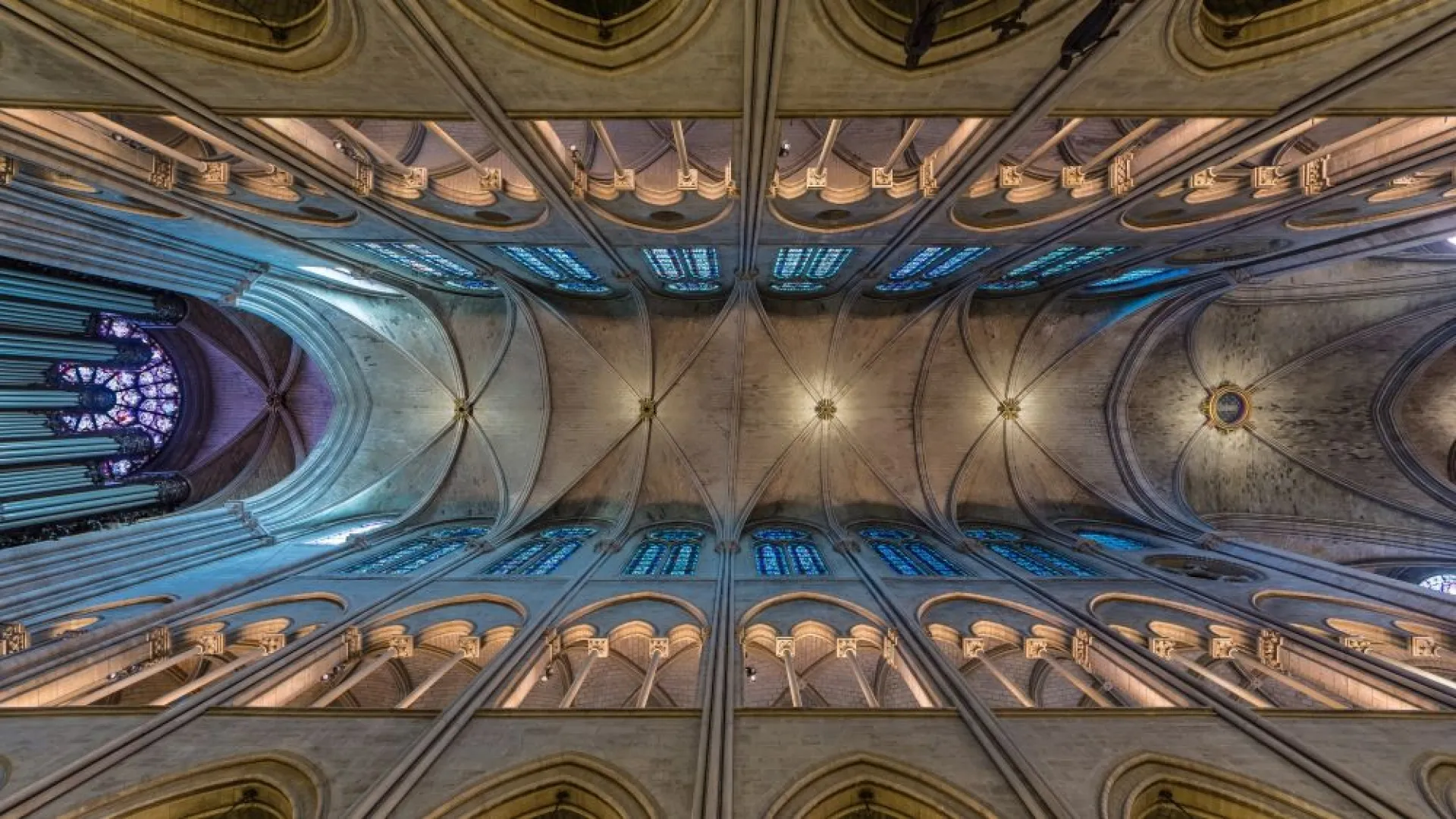
Notre‑Dame’s west façade is a balanced composition: three portals teaching in stone, a gallery of kings recalling lineage and time, and twin towers framing the city. Inside, the great rose windows cast a moving calendar of color and story.
Symbolism lives in details — the play of foliage on capitals, the measured rhythm of ribs and bays, the way processions choreograph space. Viollet‑le‑Duc’s 19th‑century interventions — especially the spire — gave the silhouette a poetic center, distinct yet harmonious.
Revolution, Romanticism & Restoration
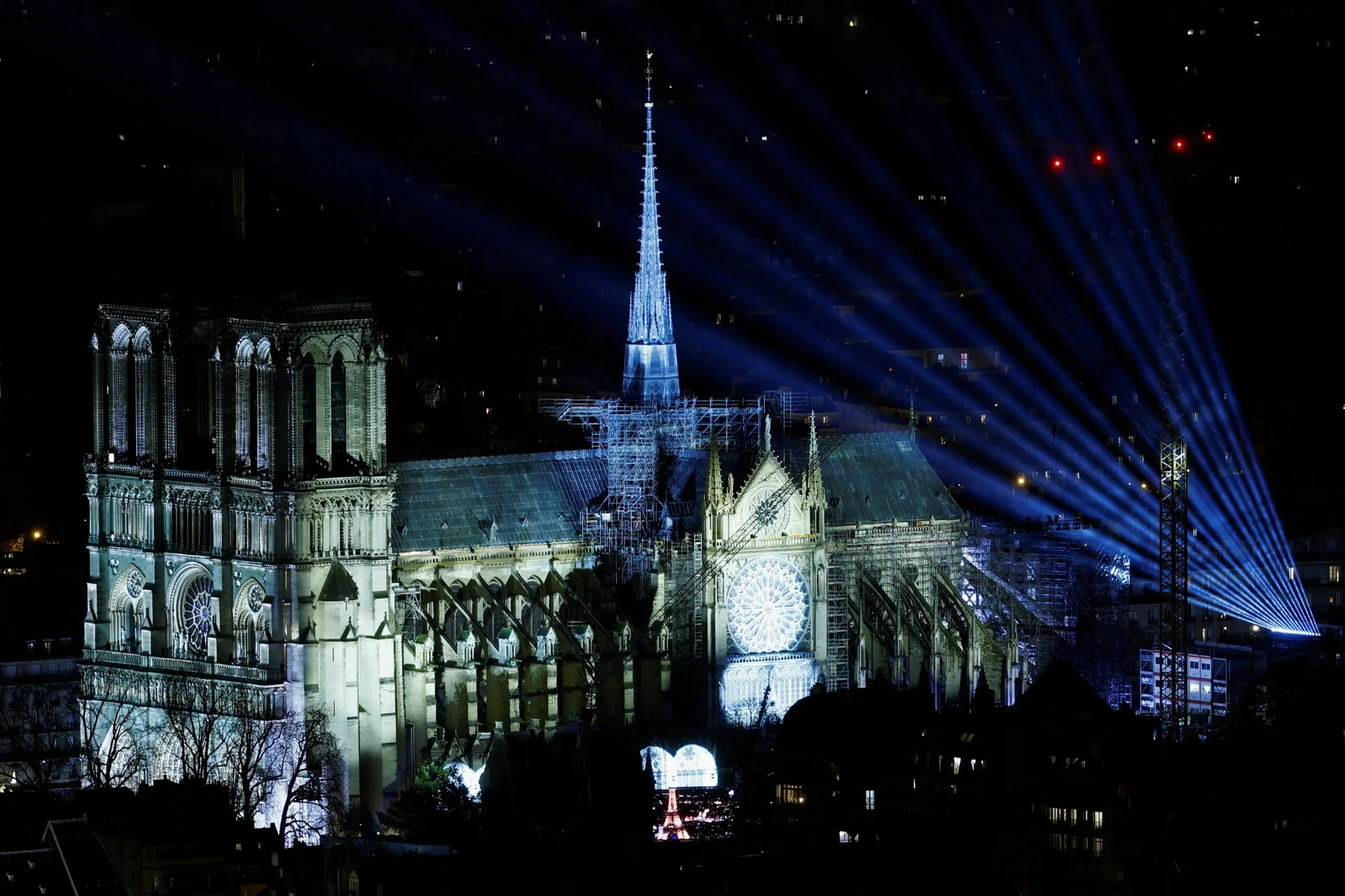
The cathedral weathered revolutions, depredations, and neglect, then found advocates in an age of Romantic rediscovery. Writers, painters, and citizens reclaimed its value. Restoration brought debate: how to honor the past while allowing the building to live?
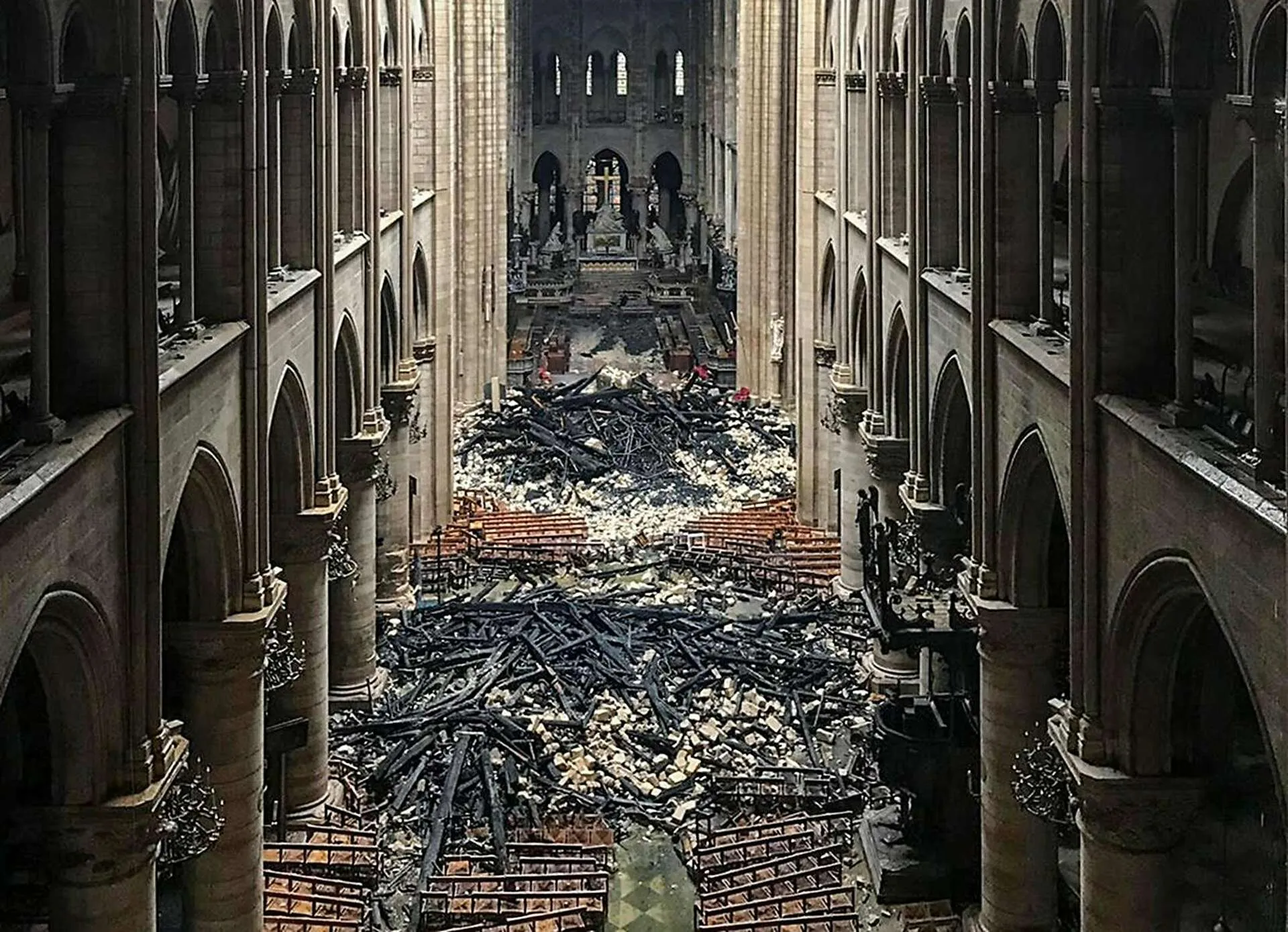
Viollet‑le‑Duc answered with study and craft, sometimes imaginative, often precise. Later generations revised and conserved. The 2019 fire renewed hard questions and clear resolve — the work ahead would be painstaking, public, and grounded in humility.
Preservation, Craft & Care
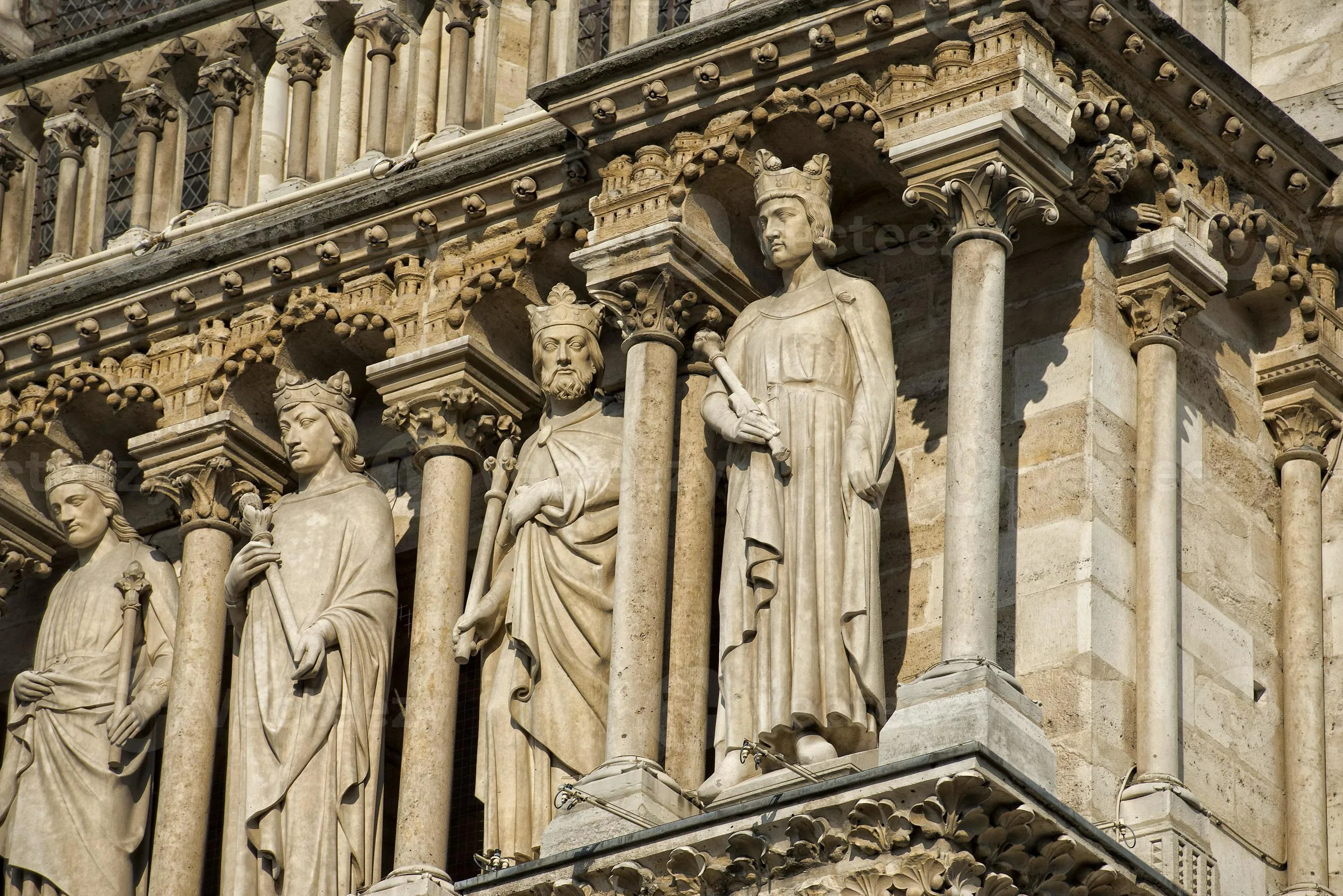
Conservation is a conversation among materials. Stones take on soot and time; timber remembers seasons; glass shifts with light and weather; metals ask for vigilance. Cleaning, consolidation, and careful replacement aim at continuity rather than novelty.
To preserve is to learn — from archives, old photographs, and the building itself. The goal is not to freeze Notre‑Dame, but to keep it legible and generous for those who will read it tomorrow.
Cathedral in Culture & Media
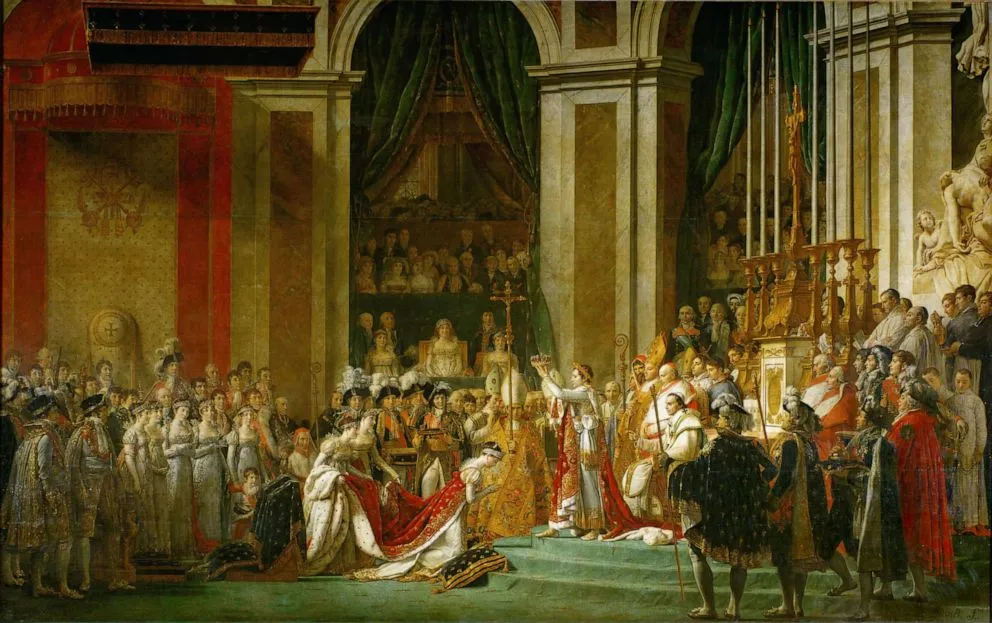
Notre‑Dame is an emblem and a setting — from literature to cinema, from sacred music to public gatherings. It has framed civic moments and quiet ones alike.
Images of the fire, the scaffolded spire, and craftspeople at work spread worldwide. They refreshed a conversation about what we keep, how we heal, and who we trust with our shared heritage.
Visitors, Rituals & Everyday Life
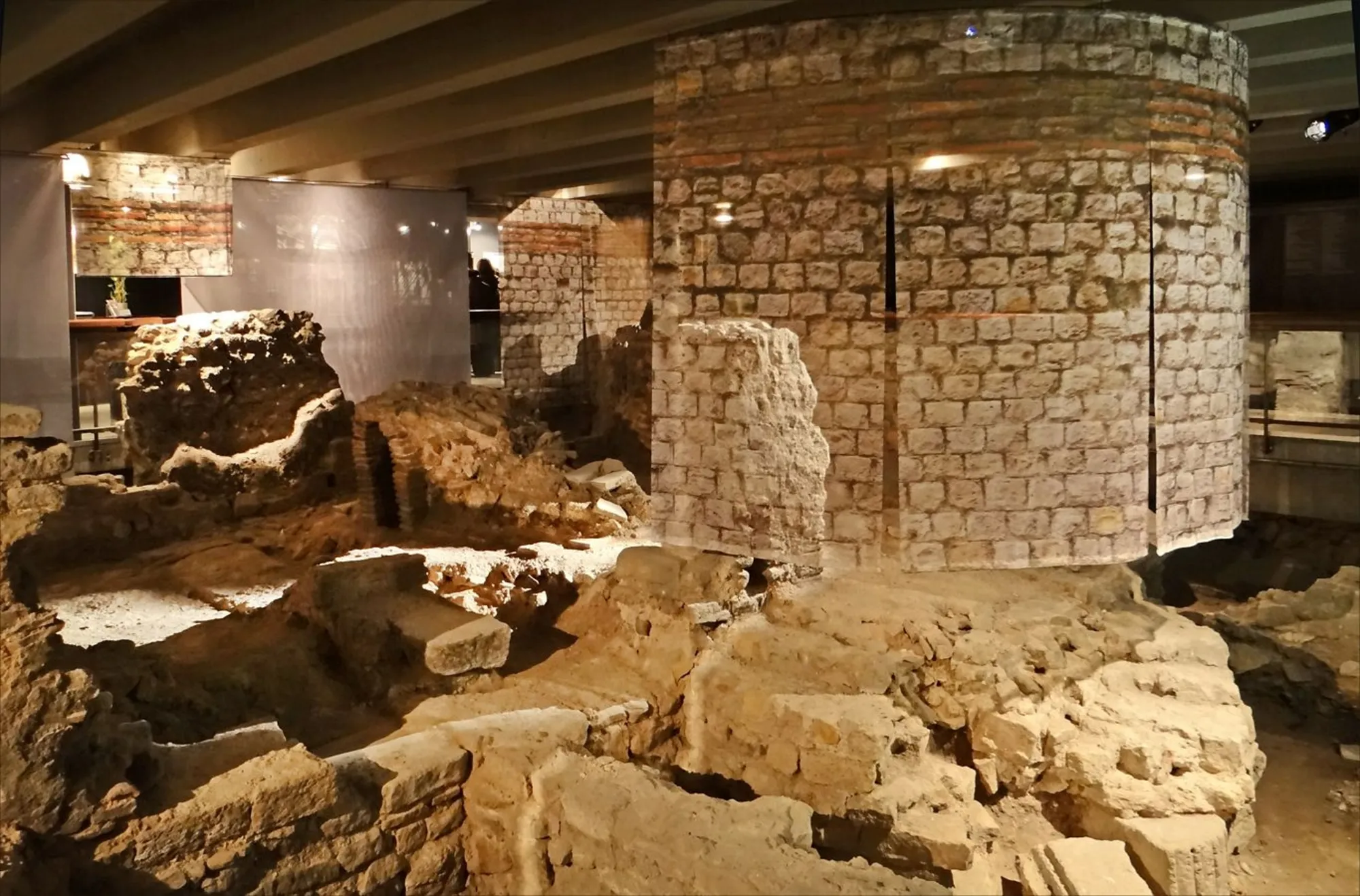
Notre‑Dame has always been a shared place: worshippers lighting candles, travelers tracing portals, caretakers adjusting scaffold and stone. The rhythm of days — markets, tides of students, musicians on the quays — becomes part of the visit.
Interpretation has grown more generous: clearer signage, kinder pacing, and tools like Eternal Notre‑Dame to invite understanding without haste.
Notre‑Dame during WW2
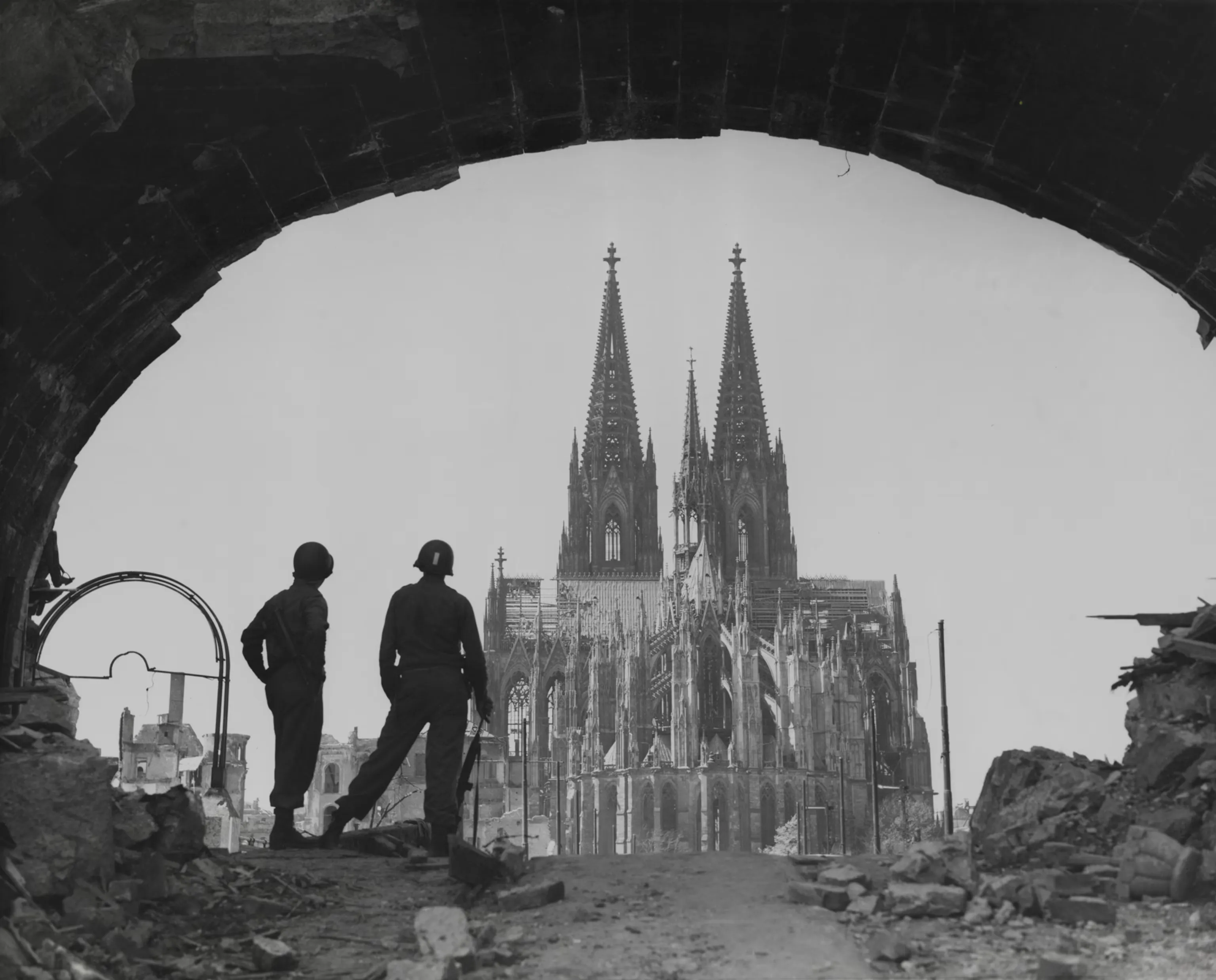
Occupation brought hardship and restraint, yet the cathedral remained a place of prayer and steadiness. The Liberation restored voices to the Parvis; bells spoke again to the river and the city.
Notre‑Dame witnessed darkness and renewal. Its stones absorbed the shock of history; its caretakers held fast to continuity, even in scarcity.
Notre‑Dame in Popular Culture
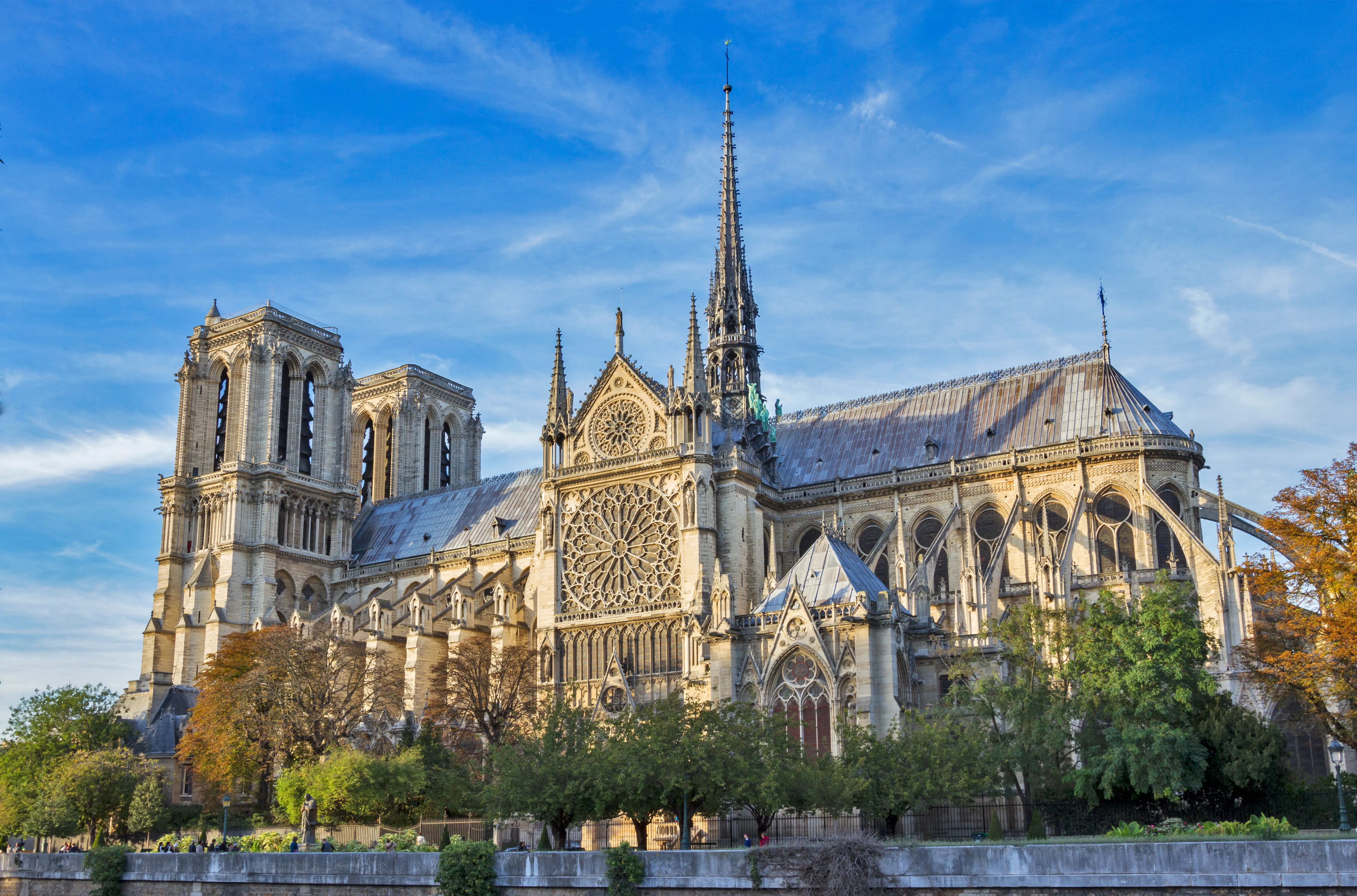
From classic novels to contemporary films, Notre‑Dame is a symbol of arrival, wonder, and continuity — a place characters and creators return to.
It has been drawn, sung, filmed, and cherished by millions. The recent years added a new chapter: a global audience watching care made visible.
Visiting Today
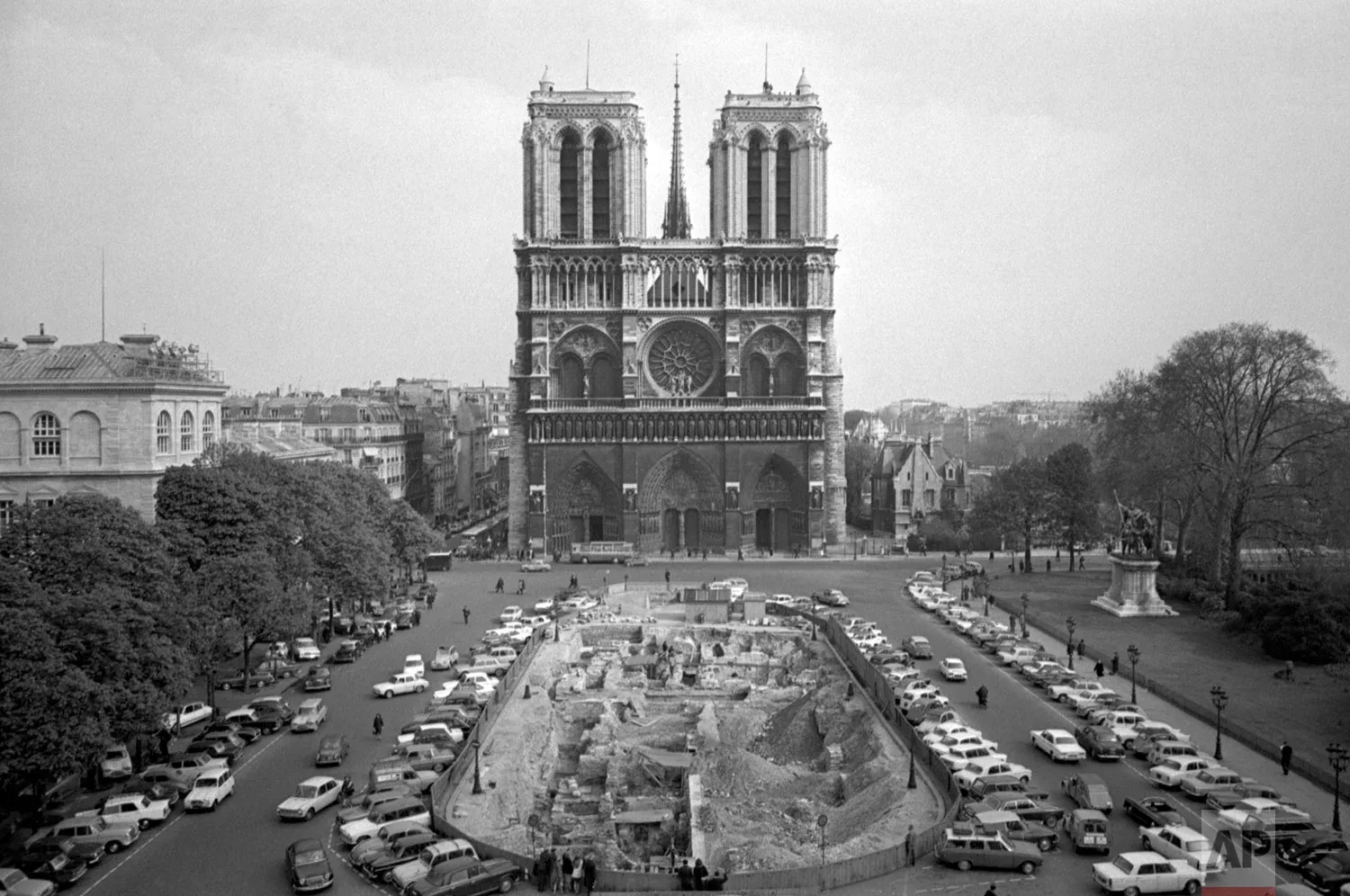
Today, visitors begin with Eternal Notre‑Dame, then wander outside with fresh eyes. Details once taken for granted — tracery, capitals, joints in timber — become legible and moving.
Accessibility and interpretation continue to improve. Timed tickets and calm pacing help pair contemplation with the city’s gentle bustle.
Romance & Remembrance
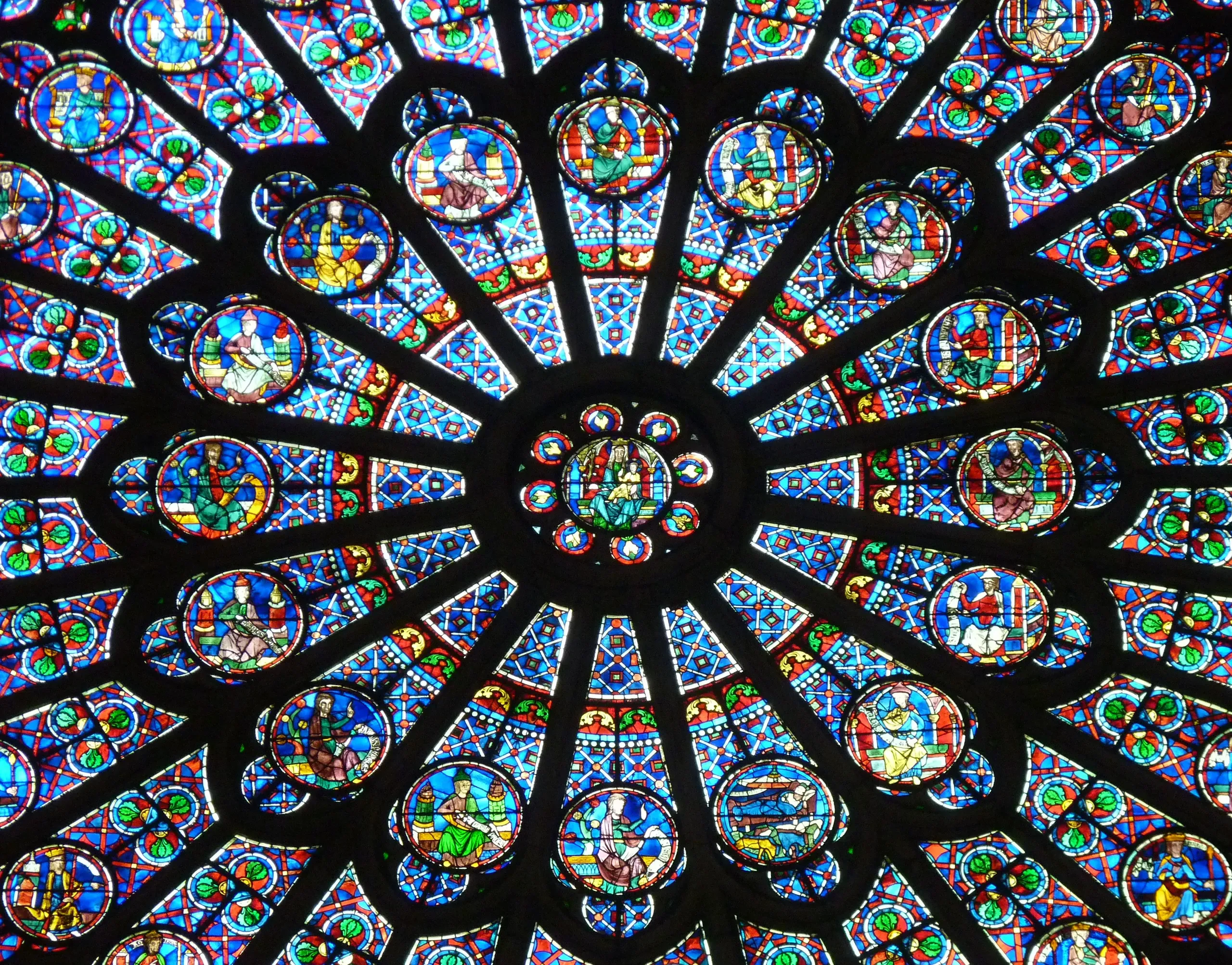
At sunset, the quays around Notre‑Dame grow warm and conversational — a place where couples trace the water and watch light settle on stone and glass.
Remembrance is quiet and steady here. The coexistence of celebration, care, and prayer gives the precinct a gentle emotional balance.
Nearby Paris Landmarks
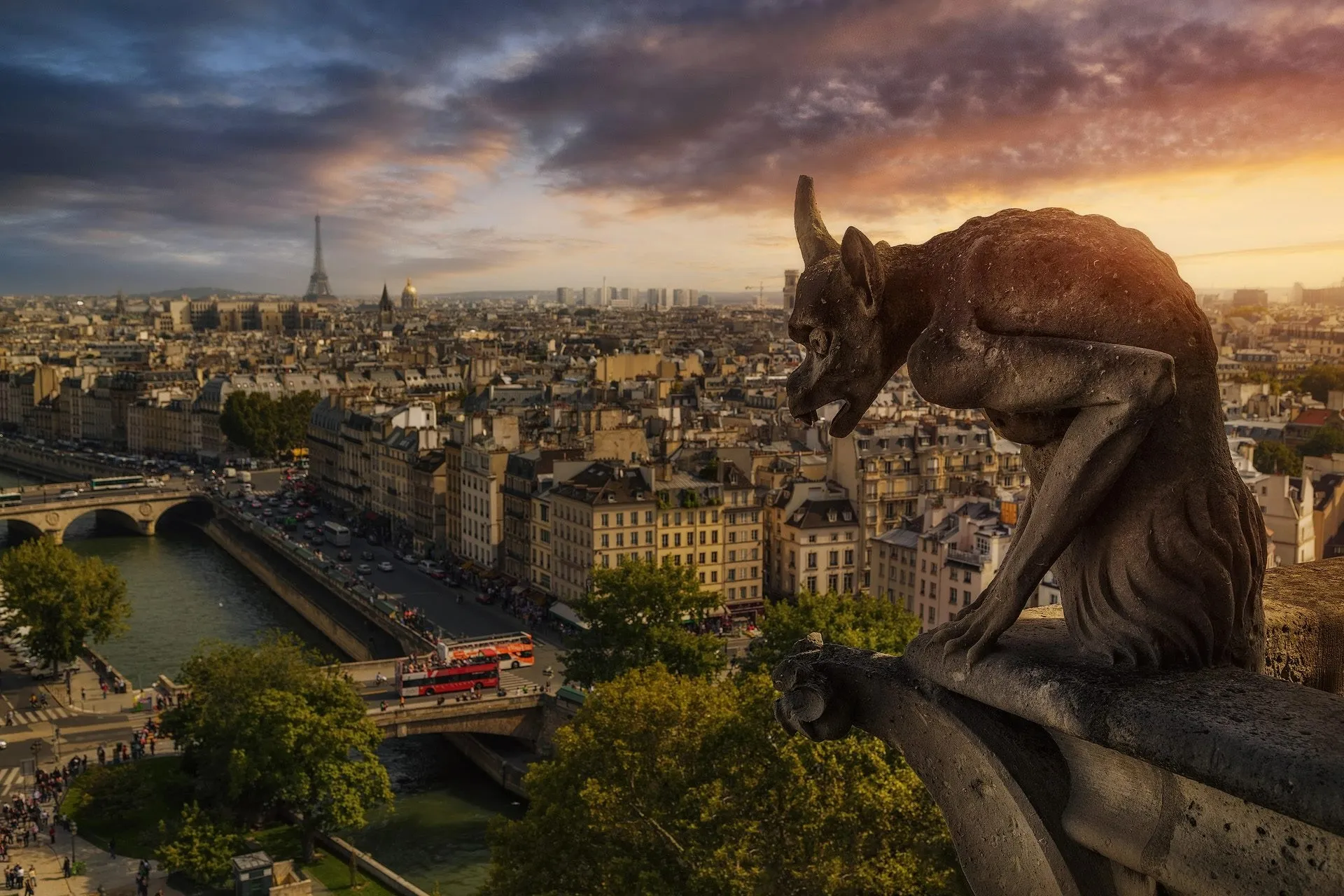
Explore Île de la Cité and Île Saint‑Louis, cross to the Latin Quarter for bookshops and cafés, or head to the Marais for museums and markets.
Sainte‑Chapelle’s glass, the Conciergerie’s halls, and bridges like Pont Neuf make this area a perfect starting point for discovering historic Paris.
Spiritual, Civic & Cultural Significance
Notre‑Dame is a cornerstone of identity — spiritual and civic. It gathers celebrations and vigils, music and silence, and gives them a dignified home.
It remains a living cathedral, sustained by craft, ritual, and the countless personal moments of those who pause beneath its towers.
Table of Contents
Medieval Foundations & Patronage
Notre‑Dame’s foundations were laid in the 12th century by communities who understood that beauty and strength could serve both the city and the spirit. Patronage came from bishops, monarchs, guilds, and citizens; each generation added skill, resource, and devotion. The site — a sacred island in the Seine — turned building into pilgrimage and city‑making.
As the cathedral rose, its purpose widened. It became a place of ritual and rally, of coronations and laments, of quiet prayer and public voice. The work never truly ceased; even in calm decades, the stones demanded care, and the community obliged.
Gothic Innovation & Engineering
Gothic builders engineered space with elegance: ribbed vaults distributing loads, flying buttresses catching weight and turning gravity into grace, timber frames cradling roofs like ships turned skyward. Glass expanded; walls thinned; light became structure as much as ornament.
The cathedral was a laboratory and a school. Masons learned from failures; carpenters adapted joints; glaziers tuned color to daylight. Paris watched and absorbed the lessons, and other cities did too — Notre‑Dame’s design traveled as drawings, memories, and stories.
Design, Light & Symbolism
Notre‑Dame’s west façade is a balanced composition: three portals teaching in stone, a gallery of kings recalling lineage and time, and twin towers framing the city. Inside, the great rose windows cast a moving calendar of color and story.
Symbolism lives in details — the play of foliage on capitals, the measured rhythm of ribs and bays, the way processions choreograph space. Viollet‑le‑Duc’s 19th‑century interventions — especially the spire — gave the silhouette a poetic center, distinct yet harmonious.
Revolution, Romanticism & Restoration
The cathedral weathered revolutions, depredations, and neglect, then found advocates in an age of Romantic rediscovery. Writers, painters, and citizens reclaimed its value. Restoration brought debate: how to honor the past while allowing the building to live?
Viollet‑le‑Duc answered with study and craft, sometimes imaginative, often precise. Later generations revised and conserved. The 2019 fire renewed hard questions and clear resolve — the work ahead would be painstaking, public, and grounded in humility.
Preservation, Craft & Care
Conservation is a conversation among materials. Stones take on soot and time; timber remembers seasons; glass shifts with light and weather; metals ask for vigilance. Cleaning, consolidation, and careful replacement aim at continuity rather than novelty.
To preserve is to learn — from archives, old photographs, and the building itself. The goal is not to freeze Notre‑Dame, but to keep it legible and generous for those who will read it tomorrow.
Cathedral in Culture & Media
Notre‑Dame is an emblem and a setting — from literature to cinema, from sacred music to public gatherings. It has framed civic moments and quiet ones alike.
Images of the fire, the scaffolded spire, and craftspeople at work spread worldwide. They refreshed a conversation about what we keep, how we heal, and who we trust with our shared heritage.
Visitors, Rituals & Everyday Life
Notre‑Dame has always been a shared place: worshippers lighting candles, travelers tracing portals, caretakers adjusting scaffold and stone. The rhythm of days — markets, tides of students, musicians on the quays — becomes part of the visit.
Interpretation has grown more generous: clearer signage, kinder pacing, and tools like Eternal Notre‑Dame to invite understanding without haste.
Notre‑Dame during WW2
Occupation brought hardship and restraint, yet the cathedral remained a place of prayer and steadiness. The Liberation restored voices to the Parvis; bells spoke again to the river and the city.
Notre‑Dame witnessed darkness and renewal. Its stones absorbed the shock of history; its caretakers held fast to continuity, even in scarcity.
Notre‑Dame in Popular Culture
From classic novels to contemporary films, Notre‑Dame is a symbol of arrival, wonder, and continuity — a place characters and creators return to.
It has been drawn, sung, filmed, and cherished by millions. The recent years added a new chapter: a global audience watching care made visible.
Visiting Today
Today, visitors begin with Eternal Notre‑Dame, then wander outside with fresh eyes. Details once taken for granted — tracery, capitals, joints in timber — become legible and moving.
Accessibility and interpretation continue to improve. Timed tickets and calm pacing help pair contemplation with the city’s gentle bustle.
Romance & Remembrance
At sunset, the quays around Notre‑Dame grow warm and conversational — a place where couples trace the water and watch light settle on stone and glass.
Remembrance is quiet and steady here. The coexistence of celebration, care, and prayer gives the precinct a gentle emotional balance.
Nearby Paris Landmarks
Explore Île de la Cité and Île Saint‑Louis, cross to the Latin Quarter for bookshops and cafés, or head to the Marais for museums and markets.
Sainte‑Chapelle’s glass, the Conciergerie’s halls, and bridges like Pont Neuf make this area a perfect starting point for discovering historic Paris.
Spiritual, Civic & Cultural Significance
Notre‑Dame is a cornerstone of identity — spiritual and civic. It gathers celebrations and vigils, music and silence, and gives them a dignified home.
It remains a living cathedral, sustained by craft, ritual, and the countless personal moments of those who pause beneath its towers.